
If you’re shopping for carbon wheels, you know it’s a big investment. You want wheels that are light, stiff, and strong enough to handle the road ahead. But did you know the way the carbon is put together makes a huge difference in performance?
Most carbon Lightweight climbing wheels under 1400g on the market are built using a traditional method called “hand-laying.” At Venn Wheels, we use a more advanced, automated process called “filament winding.”
Here is a simple breakdown of the difference—and why it matters for your ride.
1. The Traditional Way: Hand-Laid Carbon
Imagine building a paper-mâché model. You take pre-cut sheets of carbon fiber fabric (often soaked in resin), place them into a mold by hand, and overlap them to build up the rim’s shape.
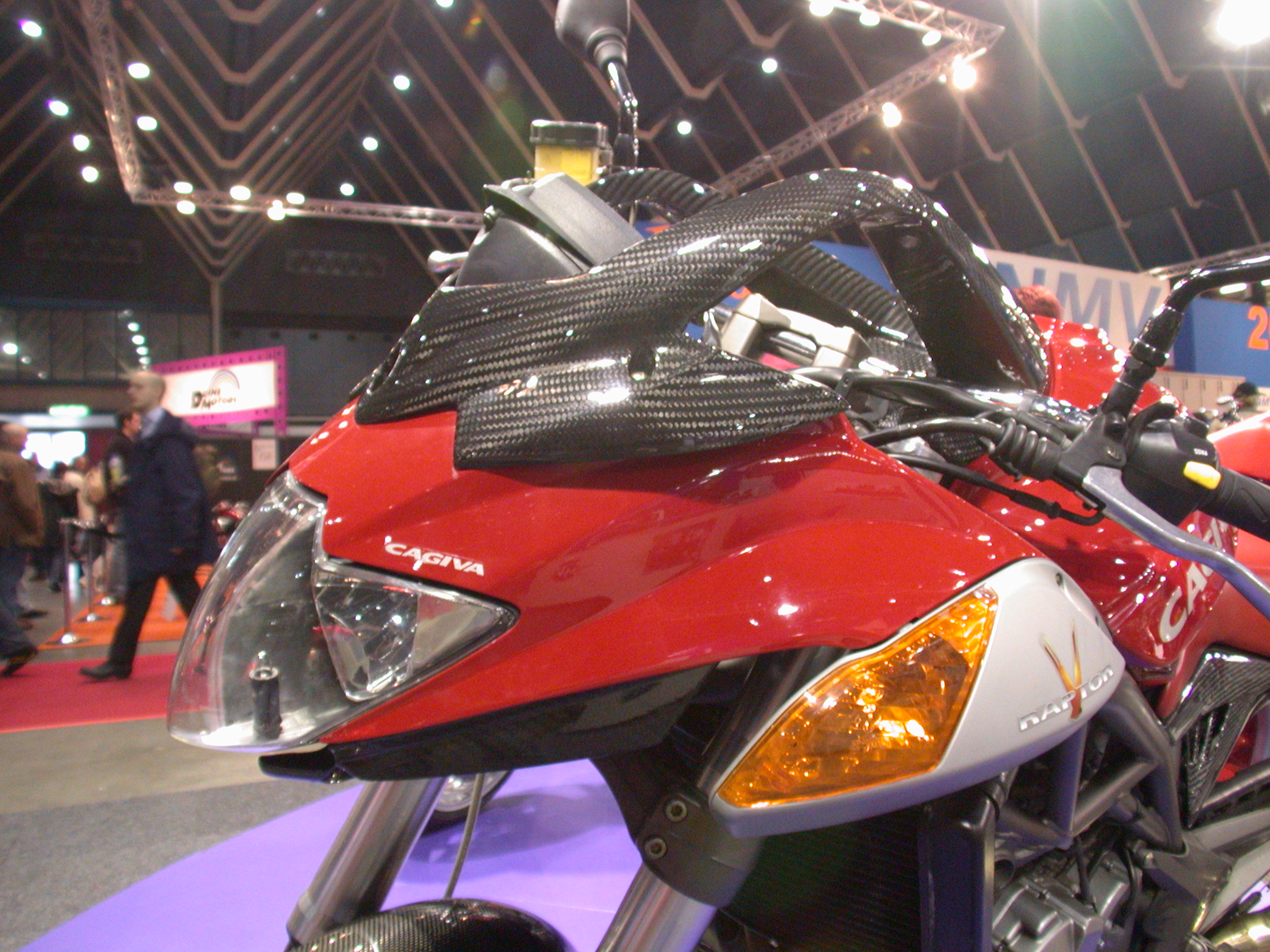 The Process: It’s like a very expensive arts and crafts project. Skilled workers lay down hundreds of individual pieces of carbon fabric, one by one.
The Problem: Because it’s done by humans, it’s impossible to be perfect every time.
Inconsistency: One wheel might have slightly more overlap or resin in one spot than another, creating tiny imperfections or imbalances.
Hidden Weight: To cover up the seams and rough patches from the hand-laying process, manufacturers have to sand the rim down and add a heavy layer of paint or clear coat to make it look smooth. This adds weight that does nothing for performance.
2. The Advanced Way: Filament Winding (The Venn Method)
Now, imagine a high-tech robotic loom. Instead of placing sheets by hand, a machine precisely winds a single, continuous strand of carbon fiber around a mandrel (the core form of the wheel) under constant tension.
The Process: It’s like winding thread onto a spool, but with incredible precision. The machine controls exactly where every single fiber goes.
The Advantage: The result is an engineering masterpiece.
Perfect Consistency: The machine never gets tired and never makes a mistake. Every rim is structurally identical to the next.
Structurally Superior: Because the fibers are long and continuous—not chopped up pieces overlapping each other—the structure is inherently stronger and stiffer.
No Hiding: The finish you see on a Venn wheel is the raw carbon itself. We don’t use paint or clear coats to hide imperfections because there aren’t any. What you see is pure, high-performance engineering.
The Bottom Line for You
Think of it like the difference between a knitted sweater and a woven technical fabric. One has seams and potential weak points; the other is a continuous, integrated structure.
By using filament winding, we create wheels that are lighter (no heavy paint), stronger (continuous fibers), and perfectly balanced straight out of the mold. It’s a more advanced way to build a wheel, resulting in a better ride for you.