
Restoring a bond goes far beyond apologies; it’s a biological recalibration shaped by neurochemicals and synaptic patterns.
When conflict arises, the brain activates its threat detection systems, triggering the release of stress hormones like cortisol and adrenaline.
The surge of stress chemicals prioritizes self-protection, making it harder to listen, understand, or respond with kindness.
Over time, herstellen-relatie repeated conflict without resolution can reinforce negative neural patterns, making it harder to reconnect emotionally.
The mind is not fixed; it can transform through repeated moments of warmth, understanding, and mutual support.
Healing starts when partners move from hypervigilance to a sense of mutual security.
The brain’s healing response is powered by a trio of mood-regulating and connection-promoting neurotransmitters.
Known as the love hormone, oxytocin surges when partners hold hands, lock eyes, or share raw, honest feelings.
Oxytocin counteracts stress by dampening cortisol, slowing the pulse, and deepening emotional bonds.
When partners feel valued—through a smile, a note, or listening without judgment—dopamine reinforces those behaviors as rewarding.
Serotonin is essential for emotional balance and healthy interpersonal engagement.
When serotonin is low, people become defensive and detached; when it’s optimized, they feel grounded and receptive to repair.
Regular movement, restful sleep, and intentional dialogue naturally elevate serotonin, paving the way for emotional recovery.
Neuroimaging studies have shown that when couples successfully repair after conflict, areas of the brain associated with empathy—the anterior cingulate cortex and the insula—become more active.
These regions help individuals understand and mirror each other’s emotional states, which is essential for rebuilding trust.
If one person withdraws, the empathy circuits stay dormant, deepening the rift.
The process of repair also requires the prefrontal cortex—the part of the brain responsible for decision making, impulse control, and perspective taking—to override the amygdala’s fear responses.
This is why slowing down, practicing deep breathing, and taking breaks during heated moments are not signs of avoidance but necessary neurological strategies to restore balance.
Language itself influences brain chemistry.
Statements that acknowledge feelings—like “That makes sense”—light up the brain’s pleasure pathways.
One phrase builds bridges; the other builds walls—neurologically and emotionally.
Kind words rewire the brain’s alarm system, replacing fear with familiarity.
Healing is built in small doses, not grand gestures.
These quiet, repeated actions sculpt the brain’s wiring toward trust and belonging.
The more goodwill accumulated, the less damage conflict can inflict.
Knowing how the brain works lets couples heal not by trying harder, but by working smarter with biology.
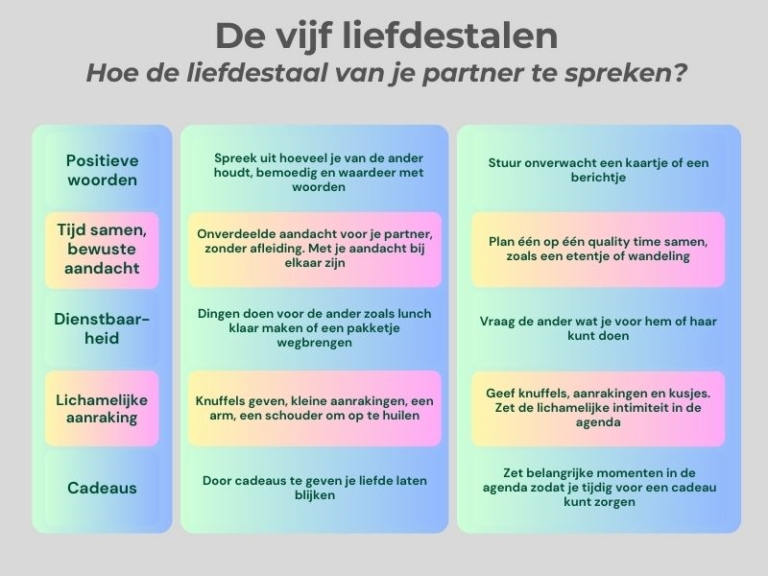
Intentional warmth, honesty, and presence convert tension into tenderness.
Emotional wounds activate the same healing pathways as broken bones—requiring rest, safety, and nurturing.